


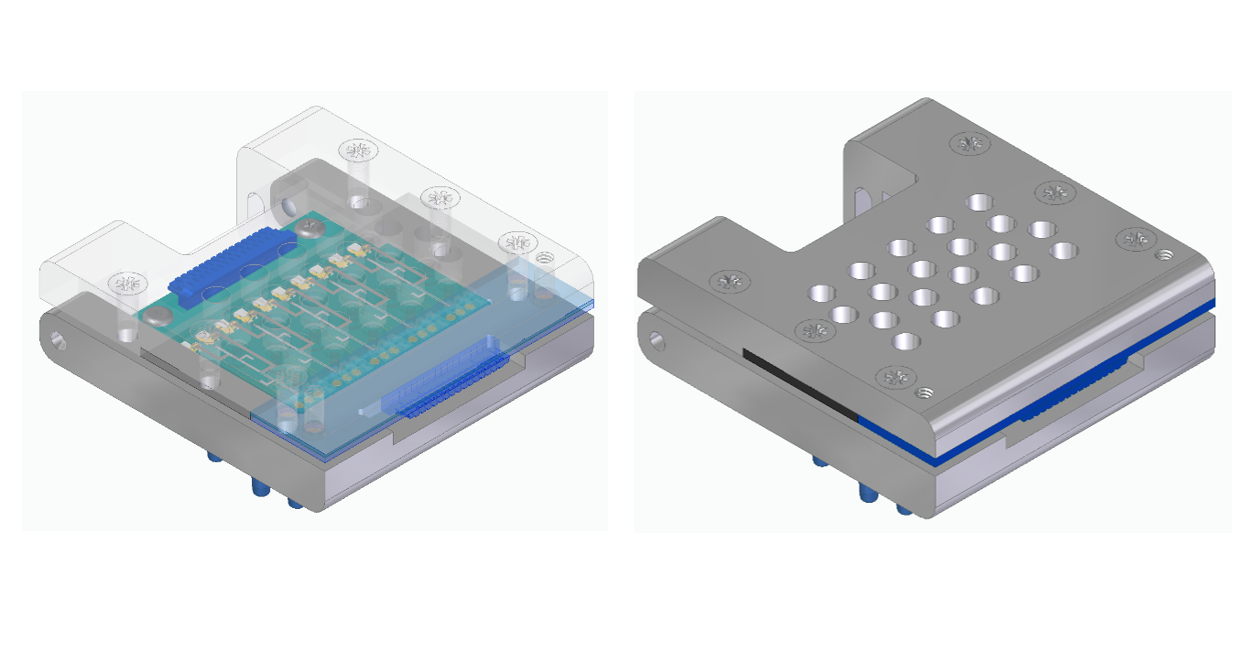
Introduction to DEMO 1
The main applications of electrochemistry are processes related to energy – including energy production, conversion, or storage. Most electrochemical power sources are pollution-free, quiet, and efficient. These features, for example, have made fuel cells ideal sources of electricity for transportation.
Currently, most electrochemical energy devices (e.g., fuel cells, lithium batteries, redox flow batteries, electrodialysis, and membrane capacitive deionization) use polymer membranes. Proton exchange membranes (PEMs) are commonly used in many of the electrochemical systems mentioned to prevent the mixing of electrolytes. At the same time, they allow protons to be transferred from one side of the interface to the other. Since they significantly improve the performance and durability of devices, the role of membranes becomes critical. Although ion exchange membranes have been known for decades, they still represent a strong field for both basic and industrial research. Research work often concerns the development of new types of membranes, their modification, or the analysis of electrochemical processes using such membranes. Several basic membrane parameters determine the operation of the electrochemical system. The most important parameters are the resistivity (impedance) of the membrane, the permeability of ions other than protons, chemical/electrochemical stability over time, and gas permeability (i.e., hydrogen, oxygen).
One of the tasks carried out in the UPTURN project is the development of a microfluidic cell demonstrator for electrochemical measurements intended for the characterization of membranes and other separators in a liquid environment. This system allows for measurements of resistance/conductivity, permeability, and selectivity of membranes. It is addressed particularly to the energy industry (flow electrolytes for redox batteries, liquid fuel cells, and batteries) and other electrochemical processes.
The research work showing this demonstrator in UPTURN was divided into two stages. The first was focused on the macro-scale measurements using electrochemical cells dedicated to testing membranes: (a) Devanathan-Stachurski Permeation Cell and (b) Magnetic Mount Electrochemical H-Cell. The second stage was the implementation of analogous measurements in the microfluidic system with a microchip (named DEMO 1). The main components of this demonstration system are a pair of microfluidic flow devices with integrated microelectrodes that are connected to the tested sample of the ion exchange membrane of interest. In this approach, it was possible to verify and compare the obtained results. We have demonstrated the measurements of the resistivity of Nafion membranes in selected inorganic electrolytes. The demonstration was carried out, among others, using techniques such as cyclic voltammetry, chronoamperometry, or electrochemical impedance spectroscopy.
The obtained measurement results fulfill project aims. It has been demonstrated that it is possible to use the developed microchips in electrochemical measurements using ion-exchange membranes. So far, the resistivity parameters of Nafion membranes in inorganic electrolytes containing chloride ions have been determined, and the results are repeatable.
Related products:
- Devanathan-Stachurski Permeation Cell, model A
- MM EC H-Cell 2×15 mL- Magnetic Mount Electrochemical H-Cell